


Logo
Logo
Home
About Us
Services
Case Study
Contact Us
Blog

What is SEO (Search Engine
Optimization)?

July 15, 2025
Discover stories and proven methods to strengthen your digital strategy and keep your brand thriving.
Blog Header Image

Search Engine Optimization (SEO) is the process of optimizing a website or web page to improve its visibility in search engine results pages (SERPs). The goal of SEO is to increase organic (non-paid) traffic to your website, making it easier for users to find your content, products, or services. SEO involves various techniques and strategies designed to help search engines like Google, Bing, or Yahoo understand and rank your content.

Key Components of SEO

On-Page SEO

  • Content Optimization

    Ensure that the content on your site is high-quality, relevant, and useful for users. Use keywords that your audience is searching for and naturally integrate them into the content.

  • Meta Tags

    Include SEO-friendly meta titles and descriptions that reflect the content of your page and encourage clicks from search results.

  • Header Tags (H1, H2, H3, etc.)

    Proper use of heading tags helps search engines understand the structure of your content and makes it easier for users to navigate.

  • URL Structure

    Ensure URLs are clean, descriptive, and keyword-rich, as they are more likely to be clicked and crawled.

  • Internal Linking

    Link to other relevant pages within your site to help distribute page authority and improve navigation for both users and search engines.
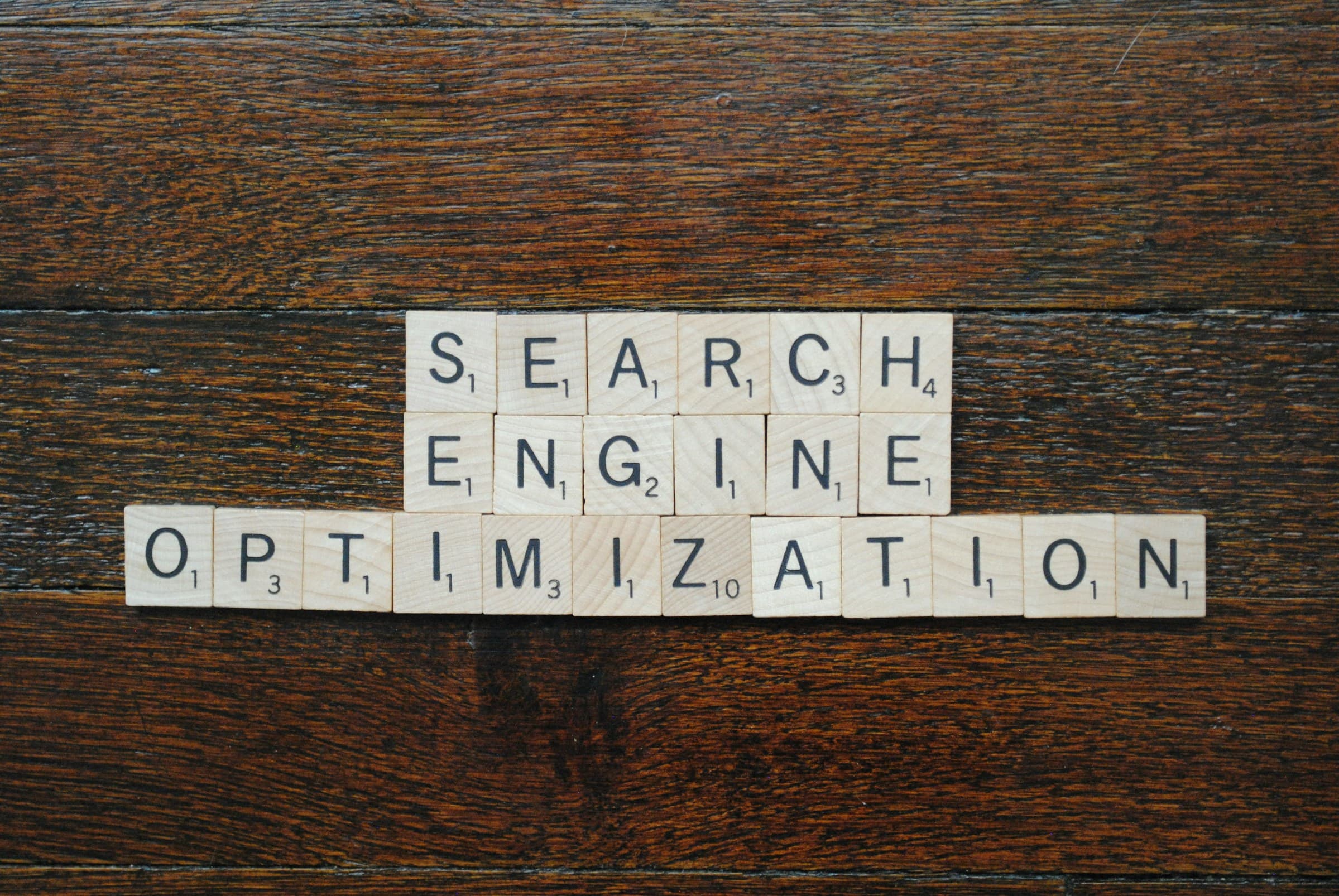

Scrabble tiles spelling Search Engine Optimization

Off-Page SEO

Backlinks

These are links from other websites pointing to your content. High-quality, authoritative backlinks tell search engines that your content is valuable and trustworthy.

Social Media Signals

While not directly affecting rankings, social media activity can drive traffic to your site and indirectly improve SEO.

Increased Visibility

Mentions of your brand on other websites or platforms can help establish your authority and relevance.

Technical SEO

Site Speed

A fast-loading website is crucial for user experience and search rankings. Search engines favor sites that load quickly.

Mobile-Friendliness

With mobile-first indexing, Google prioritizes mobile-friendly websites in its rankings.

SSL Certificate

Submitting a sitemap helps search engines understand the structure of your site and crawl it efficiently.

Structured Data (Schema Markup)

Structured data helps search engines understand the content of your pages better, which can enhance rich snippets and visibility in search results.

Why is SEO Important?

Increased Visibility

SEO helps your website appear higher in search results, making it more likely that users will find and visit your site.

Cost-Effective

Unlike paid advertising, organic traffic from SEO doesn't require ongoing payments for each visitor.

Builds Credibility

Websites that rank higher in search results are often perceived as more trustworthy and authoritative.

Better User Experience

SEO practices often improve the overall user experience, leading to higher engagement and conversion rates.

Conclusion

SEO is a long-term investment that requires patience, consistency, and ongoing optimization. While it may take time to see significant results, the benefits of improved search visibility, increased organic traffic, and enhanced credibility make it an essential component of any digital marketing strategy. By focusing on creating high-quality content, optimizing technical aspects, and building authority through ethical practices, businesses can achieve sustainable growth and success in the competitive online landscape.

Latest Blogs

Ready to Build What's Next?

We turn your vision into scalable, reliable digital solutions.